


Therapy That Meets You Where You Are

A Thoughtful, Relational Approach to Trauma Therapy

The Trauma Resource offers trauma therapy for adults and teens who feel overwhelmed, confused by their reactions, or unsure why past experiences continue to affect their lives. Led by Wendy Berman, LCSW-C, this work helps people make sense of what they’ve lived through and how it shows up in their bodies, emotions, and relationships. With over 20 years of experience, Wendy works relationally and integrates nervous system support, parts-based work,
and expressive approaches to meet each person where they are.


WENDY BERMAN, LCSW-C PROVIDES TRAUMA THERAPY IN BALTIMORE, MARYLAND AND VIRTUAL TRAUMA THERAPY THROUGHOUT THE STATE.

Woman with auburn hair smiling contentedly with eyes closed, surrounded by blurred foliage.

Who Wendy Works With

When Things Don’t Make Sense

People often come to Wendy feeling confused by their reactions or overwhelmed by emotions they don’t fully understand. You might know what happened to you, but still wonder why your body reacts the way it does, or why certain situations feel so intense. You may feel frustrated that you “should be past this by now,” or unsure how to calm yourself when things get overwhelming.


Wendy works with adults and teens who want help understanding what they’re experiencing and why. This work is for people who want clarity, relief, and support from someone who understands trauma deeply and knows how to move at a pace that feels safe. It’s about making sense of what you’ve lived through so you can begin to feel less overwhelmed and more able to move forward.

Understanding Trauma

Trauma Is Anything that
Overwhelms the Nervous System

Trauma Is Anything that Overwhelms the Nervous System

Wendy often explains trauma as anything that overwhelms the brain and nervous system and pushes a person into fight, flight, freeze, or fawn. It does not have to be one single event, and it does not have to look a certain way. Trauma can come from repeated experiences over time, relationships that didn’t feel safe, medical issues, loss, or ongoing stress that the nervous system never had a chance to recover from.


Many people downplay what they’ve been through or tell themselves it wasn’t
“bad enough” to count as trauma. They may understand what happened, but still feel confused by their reactions or frustrated by how strongly their body responds. Wendy helps clients understand that these reactions make sense given what their nervous system learned in order to cope. For many people, this understanding is the first moment when shame begins to loosen and healing starts to feel possible.

Specializations & Techniques

Trauma, Stress, and
Nervous System Patterns

Many people come to Wendy because something just doesn’t feel right, even if they can’t fully explain it. You might notice that your reactions feel bigger than
you expect, or that certain situations leave you feeling overwhelmed, tense, or shut down. Sometimes it feels like your body is responding before you’ve
had time to think.

Others come in because past experiences still feel close, even when they want to move forward. You might find yourself reacting in familiar ways, feeling disconnected from yourself or others, or wondering why things that seem small can feel so hard. It can be confusing, and often frustrating, especially when you don’t understand why it’s happening.

Wendy works with people who want help making sense of these experiences. Her work focuses on understanding how trauma and chronic stress affect the nervous system, emotions, and sense of safety. She draws from Internal Family Systems, EMDR therapy (Eye Movement Desensitization and Reprocessing), somatic and nervous system–based work, compassionate and supportive talk therapy, mindfulness and grounding practices, and expressive approaches such as art, writing, or sandtray when words aren’t enough. These tools are used thoughtfully and collaboratively, always guided by what feels most supportive for you.

The focus is not on labeling or fixing, but on understanding what your
nervous system has learned and what it needs now. Over time, this work can create space for things to feel calmer, clearer, and easier to live with.

Wendy Berman
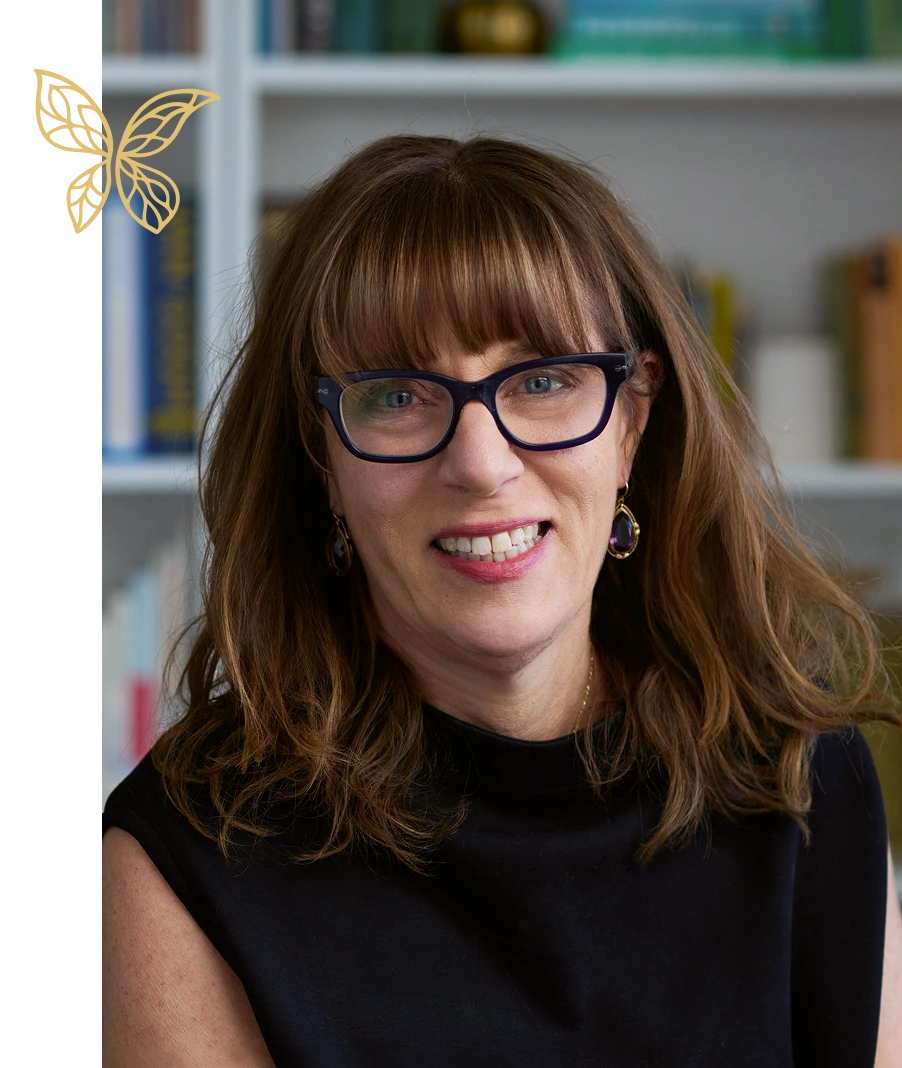
Wendy Berman, LCSW-C, Founder

Trauma Therapist with Over 20 Years of Experience

Meet Wendy Berman, LCSW-C

Wendy Berman, LCSW-C, is the founder of The Trauma Resource and has been working as a trauma therapist for over 20 years. She has spent much of her career supporting adults and teens who are living with the effects of trauma, chronic stress, and experiences that continue to shape how they feel, react, and relate.

Wendy brings a calm, steady presence to her work and believes deeply in the importance of the therapeutic relationship. She often shares that what helped her most in her own healing was feeling understood and supported in  the therapeutic relationship, and that belief guides how she works with clients today. Her focus is not on fixing or pushing change, but on helping people understand what happened, why their reactions make sense, and what their nervous system needs now.

Her work is integrative and thoughtful. Wendy draws from a range of therapeutic approaches and uses her experience and clinical judgment to choose what is most supportive for each person in the moment. Clients often say they feel deeply seen, respected, and less alone, and that therapy with Wendy feels paced, human, and grounded.

Clinical Supervision

Trauma-Informed
Clinical Supervision with Wendy

Supervision with Wendy is a place to slow things down and think together. It’s a space to talk through what you’re noticing in your clients, how the work is affecting you, and where you might feel unsure or stuck. Wendy brings her experience into the room to help make sense of what’s unfolding, including nervous system responses and countertransference, and to support thoughtful decision-making in trauma work.


With over 20 years of experience working with trauma, Wendy supports clinicians in building confidence in their clinical judgment and developing a steadier, more grounded way of working. Supervision is relational and reflective, shaped by your questions and the realities of the work you’re doing, with an emphasis on ethical, sustainable practice and clinician well-being.